
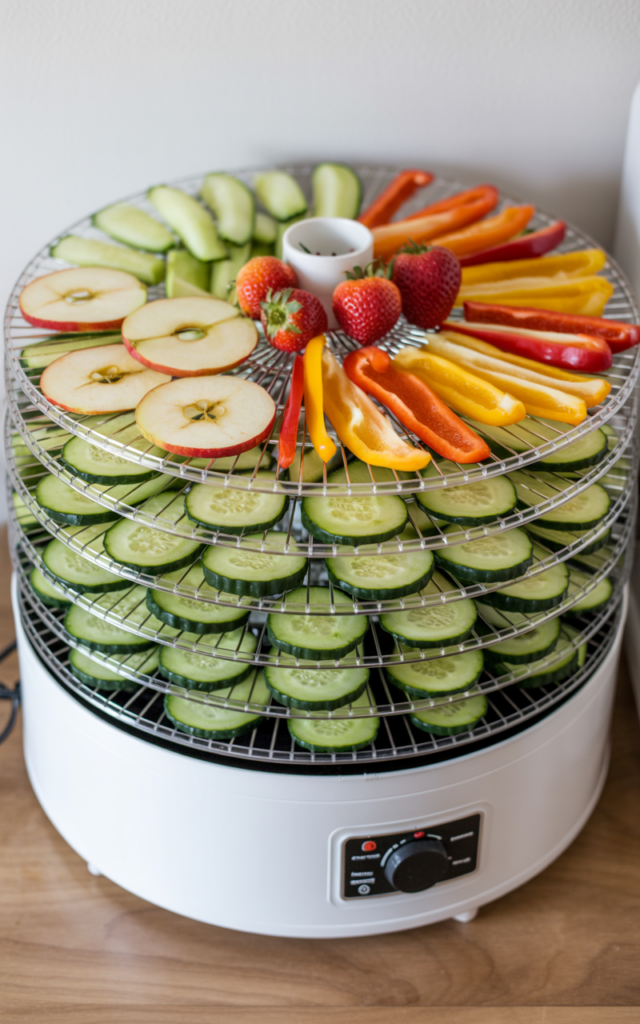
Cool Things You Can Do With a Dehydrator
Introduction
A food dehydrator isn’t just for preserving fruit anymore—it’s become one of the most versatile tools in any modern kitchen. From crafting intensely flavored snacks to prepping gourmet ingredients, a dehydrator can transform how you approach food. Home cooks and snack lovers alike will find countless ways to elevate dishes, cut down on food waste, and create custom snacks that store beautifully.
Ready for your food to get crisp, chewy, and packed with flavor? Here are some inspired and genuinely cool things you can do with your dehydrator.
Transform Fruit Into Healthy Snacks
Dehydrators shine at turning ripe fruit into sweet, concentrated snacks. Slice apples, bananas, or mangoes uniformly to ensure even drying (try using the Mueller Pro-Series 10-in-1, 8 Blade Vegetable Chopper for quick, uniform slices). Arrange them on the trays and let the dehydrator work its magic; you’ll have preservative-free fruit chips that are perfect for lunchboxes or hiking.
Experiment with flavor combinations—dust apple slices with cinnamon, or sprinkle a hint of chili powder over mango before dehydrating. You can even use a Lodge 10.25 Inch Cast Iron Pre-Seasoned Skillet to pre-caramelize fruit slices for a richer result before dehydrating.
Craft Homemade Jerky and Savory Snacks
If you’re a fan of protein-rich snacks, making beef, chicken, or even tofu jerky in your dehydrator is a total game changer. Marinate your protein of choice and arrange on trays, using Reynolds Kitchens Brown Parchment Paper Roll for easy clean-up and to prevent sticking.
You can get creative with flavor profiles, from classic peppered beef to spicy Korean-inspired marinades. Once dried, your homemade jerky will have all the chew and flavor, minus the artificial additives often found in store-bought varieties.
Prep and Preserve Herbs
Don’t let your garden herbs go to waste—dehydrate them at peak freshness! Basil, parsley, oregano, and mint can all be preserved for use year-round. Snip leaves with the KitchenAid All Purpose Kitchen Shears with Protective Sheath, arrange in a single layer, and let the dehydrator retain their color and flavor far better than air-drying.
Once crisp, crush and store them in airtight containers, such as the Rubbermaid Brilliance Food Storage Containers, to keep your seasonings vibrant and ready for use in recipes.
Create Veggie Chips and Powdered Flavors
Slice root vegetables like beets, sweet potatoes, or carrots thinly, toss them lightly with olive oil and your favorite seasoning, and dehydrate for crunchy, healthy chips. For leafy greens like kale, a light mist of olive oil from an Olive Oil Sprayer for Cooking helps garlic powder and spices adhere, resulting in perfectly crisp snacks.
For even more versatility, pulse dehydrated veggies in a Ninja BL610 Professional 72 Oz Countertop Blender to make homemade vegetable powders—ideal for boosting flavor in soups, stews, or salad dressings.
Store-Bought Staples, Made Better at Home
Imagine never buying store-bought fruit leather, onion powder, or even sun-dried tomatoes again. By pureeing fruit (using your favorite blender) and spreading it thin on parchment-lined trays, you can make custom fruit leathers with no added sugar. Whole tomatoes can be halved and dehydrated for a rich, umami-packed addition to salads and pastas.
Make small batches of homemade garlic or onion powder by drying and then blending; you’ll be surprised how much more fragrant and robust they are compared to commercial spices.
Nutritional Information and Batch Size
Dehydrated foods condense nutrients and flavors, so a serving of dried fruit is more calorie-dense than its fresh counterpart. For example, one cup of fresh apple might yield a quarter cup dried, with calories and sugars similarly condensed. Homemade jerky and veggie chips allow for full customization of seasonings and salt, letting you control both health and taste.
Yields will vary depending on water content and thickness, but a standard dehydrator batch will make several cups of fruit or veggie chips, several servings of jerky, or enough dried herbs to last for months.
Cool Things You Can Do With Dehydrator (Recap)
From wholesome snacks to culinary shortcuts, using a dehydrator offers endless creative and practical options. Whether you’re prepping for hikes, enhancing your spice rack, or simply cutting down on food waste, these techniques will help you get the most out of every ingredient, every season.
Ingredients
Instructions
- For fruit: Wash, and slice evenly with a vegetable chopper. Arrange slices on dehydrator trays and dehydrate at 135°F (57°C) for 6-12 hours until leathery.
- For jerky: Marinate protein for at least 6 hours. Lay pieces on trays lined with parchment paper. Dehydrate at 160°F (71°C) for 4-8 hours, turning as needed.
- For herbs: Wash, pat dry, and snip with kitchen shears. Lay out in a single layer. Dehydrate at 95°F (35°C) for 1-4 hours until crisp.
- For veggie chips: Slice thinly, toss with a spritz from an olive oil sprayer and seasoning. Dehydrate at 135°F (57°C) for 6-12 hours until crisp.
- For fruit leather: Puree fruit in a blender, spread thinly on parchment, and dehydrate at 135°F (57°C) for 6-8 hours until pliable but not sticky.
Prep and Dehydration Times
Prep Time: 20–30 minutes
Dehydration Time: 1–12 hours (depending on item)
Total Time: Up to 12 hours
Explore the endless possibilities of your dehydrator and start creating healthy, custom snacks and ingredients right at home!